Strategic Typography: Leveraging Jade Smile for Intentional Brand Communication
In the crowded landscape of visual communication, typography is rarely just about aesthetics; it is a fundamental component of strategic positioning. Every font choice sends a signal to your audience, influencing how they perceive your brand's personality, reliability, and intent. Jade Smile, a fun and cool display font, represents a specific type of signal—one rooted in playfulness, approachability, and creativity. However, integrating such a distinct typeface into a professional portfolio requires more than a casual preference for its style. It demands a deliberate alignment with your broader business goals, target audience expectations, and the specific context of your project.
For entrepreneurs, marketers, and creators aged 20 to 50, the decision to use a display font like Jade Smile should be driven by data and strategy rather than trend chasing. When deployed correctly, this typeface can soften corporate edges, increase engagement in educational materials, or differentiate a product in a saturated market. Conversely, using it without a clear framework can undermine credibility and confuse your messaging. This guide explores how to harness the unique characteristics of Jade Smile to achieve tangible results while avoiding the pitfalls of inappropriate application.
Defining the Strategic Value of Playful Typography
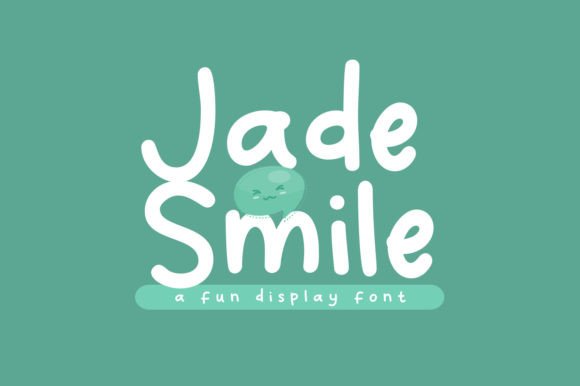
At its core, Jade Smile is designed to evoke joy and lightheartedness. Its rounded forms and dynamic structure make it an ideal candidate for cartoon-related designs, children's games, and any creative endeavor requiring a playful touch. But beyond these obvious applications lies a deeper strategic utility. In an era where consumers are increasingly skeptical of overly polished, sterile corporate branding, a well-placed element of humanity can be a powerful differentiator.
Consider the psychological impact of typography on user experience. A rigid, sans-serif font might communicate efficiency, but it can also feel cold or distant. Jade Smile introduces a human element that suggests friendliness and accessibility. For small business owners and freelancers, this can be the difference between a visitor bouncing off a landing page and one who feels invited to explore further. The font acts as a non-verbal cue that says, "We are approachable," which is particularly valuable for service-based businesses, community organizations, and brands targeting younger demographics or families.
The strategic value also extends to memory retention. Distinctive display fonts create visual anchors that help users recall a brand or message more easily than generic typefaces. When Jade Smile is used consistently across key touchpoints—such as logos, headers, and promotional graphics—it builds a cohesive visual identity that stands out in a sea of uniformity. This consistency supports long-term branding efforts, ensuring that your audience associates the feeling of "fun" and "cool" directly with your specific offerings.
Aligning Font Choice with Business Goals and Audience Needs
Before downloading or purchasing Jade Smile, it is essential to conduct a brief audit of your current communication goals. Typography should never exist in a vacuum; it must serve the broader objectives of your project. Ask yourself: What emotion do I want to evoke? Who is my primary audience? What action do I want them to take?
If your goal is to establish authority in a high-stakes field like financial consulting or legal services, Jade Smile is likely not the primary tool for your body copy or official documentation. However, it could still play a supportive role in internal communications, team-building events, or specific marketing campaigns aimed at humanizing your firm. The key is intentionality. Using the font randomly because it looks "nice" often leads to disjointed branding. Using it because it solves a specific communication problem leads to better outcomes.
For educators and publishers, the application is more direct. Learning materials for children benefit immensely from fonts that reduce cognitive load and increase engagement. Jade Smile can make worksheets, game interfaces, and storybooks feel less like chores and more like adventures. This aligns with the goal of fostering a love for learning. Similarly, bloggers and content creators in the lifestyle, parenting, or hobbyist niches can use the font to break up text-heavy posts, adding visual rhythm that keeps readers scrolling.
Practical Use Cases for Maximum Impact
To maximize the return on your typographic investment, consider these specific scenarios where Jade Smile excels:
- Product Packaging for Youth Markets: If you are launching a snack line, toy, or craft kit, using Jade Smile on the packaging immediately signals who the product is for. It reduces the friction of decision-making for parents looking for age-appropriate items.
- Event Branding and Signage: For community festivals, school fairs, or startup launch parties, large-format signage using this font creates an inviting atmosphere before a single word is read.
- Social Media Graphics: In the fast-paced environment of Instagram or TikTok, static images need to grab attention instantly. Headers created with Jade Smile can stop the scroll by offering a visual break from standard corporate aesthetics.
- Gamification Elements: Whether you are designing a mobile app or a corporate training module, incorporating Jade Smile for badges, achievement pop-ups, and reward screens enhances the sense of accomplishment and fun.
Risk Management: When Not to Use Display Fonts
While the benefits of Jade Smile are significant, a strategic approach also involves knowing when not to use it. The most common risk is legibility. Display fonts are optimized for short bursts of text—headlines, logos, and buttons. They are generally not suited for long-form reading. Attempting to write a blog post body or a legal disclaimer in Jade Smile will frustrate readers and damage your professional reputation.
Another risk is brand dissonance. If your brand voice is serious, urgent, or somber, introducing a playful font can create confusion. For example, a cybersecurity firm warning users about a data breach should avoid using Jade Smile, as the tone would clash with the gravity of the situation. Context is king. Always evaluate whether the font supports or contradicts the message you are delivering.
Furthermore, overuse can dilute impact. If every element of your design screams "fun," nothing stands out. Effective design relies on contrast. Pairing Jade Smile with a clean, neutral sans-serif for body text creates a balanced hierarchy that guides the eye and reinforces the intended mood without overwhelming the viewer.
Implementation Strategies for Long-Term Success
To ensure Jade Smile contributes to your long-term success, integrate it into a comprehensive style guide. Define exactly where and how it should be used. Specify minimum sizes, acceptable color combinations, and pairing rules. This prevents individual team members or freelancers from misapplying the font in ways that weaken your brand identity.
Testing is also crucial. Before rolling out a new campaign featuring Jade Smile, run A/B tests if possible. Compare conversion rates, engagement times, or click-through rates against designs using your previous typography. Data will tell you if the playful approach resonates with your specific audience or if adjustments are needed. This empirical approach transforms typography from a subjective artistic choice into an objective business lever.
Finally, consider the technical aspects of deployment. Ensure you have the correct licenses for your intended use, whether it is web embedding, print production, or app integration. Technical glitches or legal issues can derail even the best-designed project. By handling the operational details with the same care as the creative ones, you protect your investment and ensure smooth execution.
Making the Final Decision
Choosing a font is a micro-decision with macro implications. Jade Smile offers a unique opportunity to inject personality and warmth into your projects, but only if wielded with precision. It is not a magic bullet for bad strategy, but it is a powerful amplifier for good strategy. By understanding its strengths, respecting its limitations, and aligning its use with your core objectives, you can turn a simple typeface into a strategic asset that drives engagement, builds brand loyalty, and delivers measurable results.
As you move forward with your next design initiative, pause to evaluate your typographic choices through this strategic lens. Ask if Jade Smile truly serves your goals. If the answer is yes, deploy it with confidence. If not, look for a tool that better fits the job. In the end, the best design decisions are those that balance creativity with clarity, ensuring that every element works harder to achieve your vision.